Software Engineering
Simplifying OOP in Java: Bringing It All Together
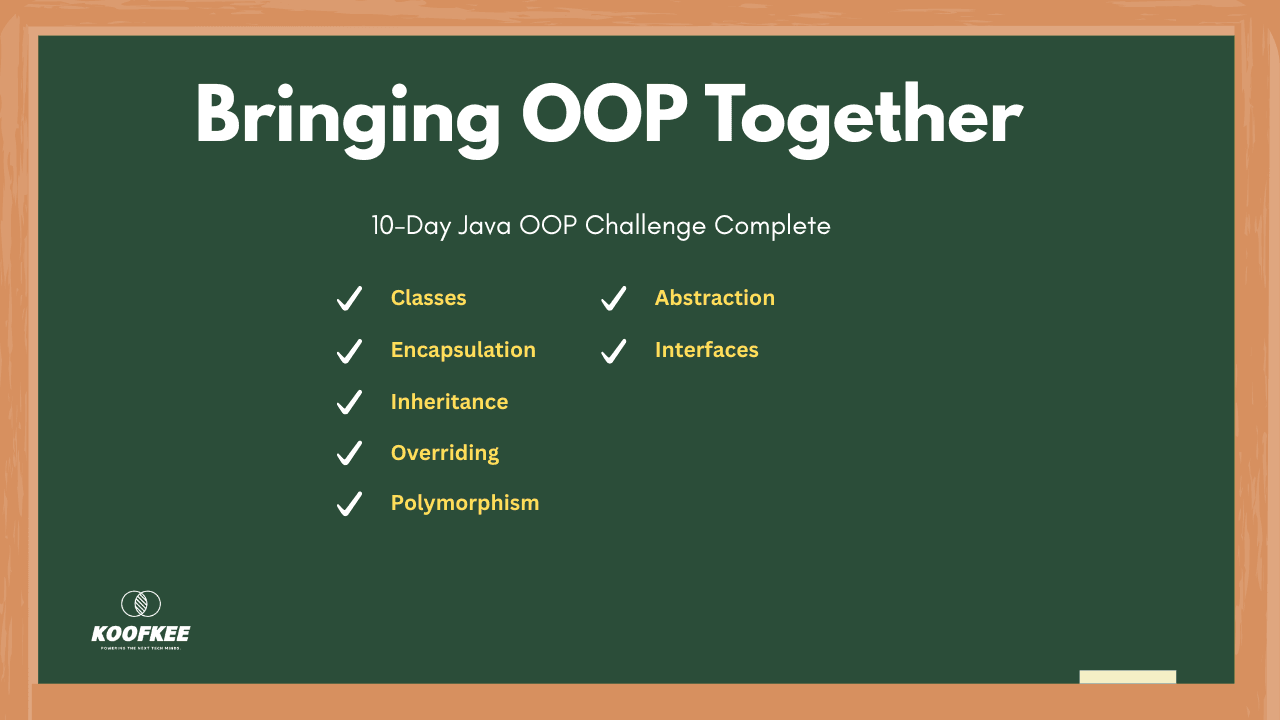
A final wrap-up of the 10-day Java OOP journey, bringing the main concepts together through one small modular Java project.
April 26, 2026·2 daqiiqaa dubbisuu
Qorannoo, yaadota fi ilaalcha waa'ee dizaayinii, tekinoolojii fi addunyaa irratti.
A final wrap-up of the 10-day Java OOP journey, bringing the main concepts together through one small modular Java project.
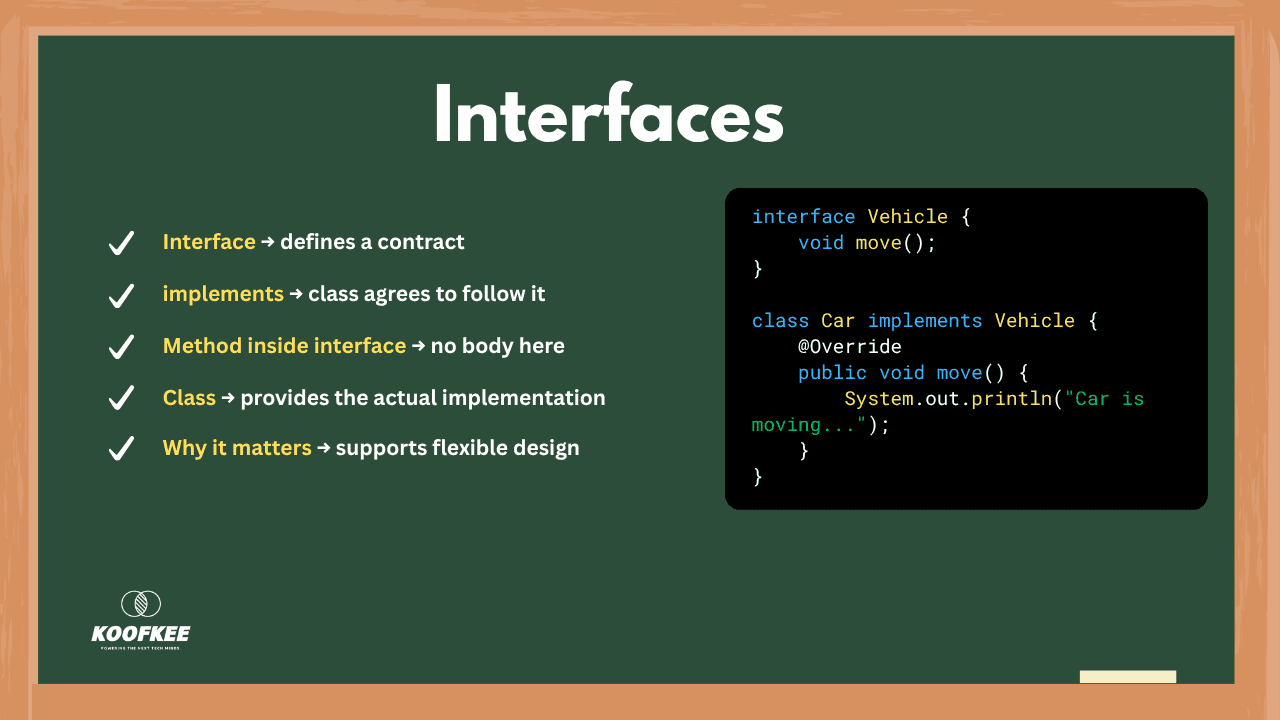
A simple introduction to interfaces in Java, showing how they define a contract that different classes can implement in their own way.
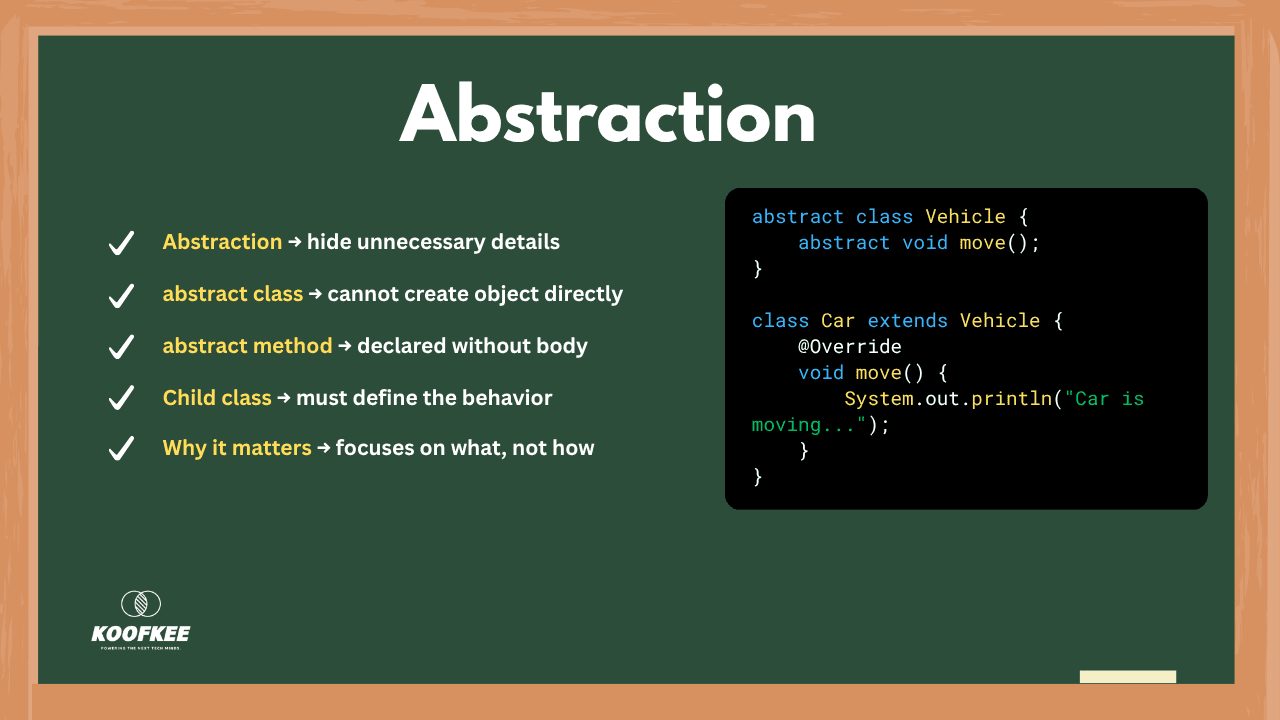
A simple introduction to abstraction in Java, showing how abstract classes and abstract methods help define general ideas without forcing every detail immediately.
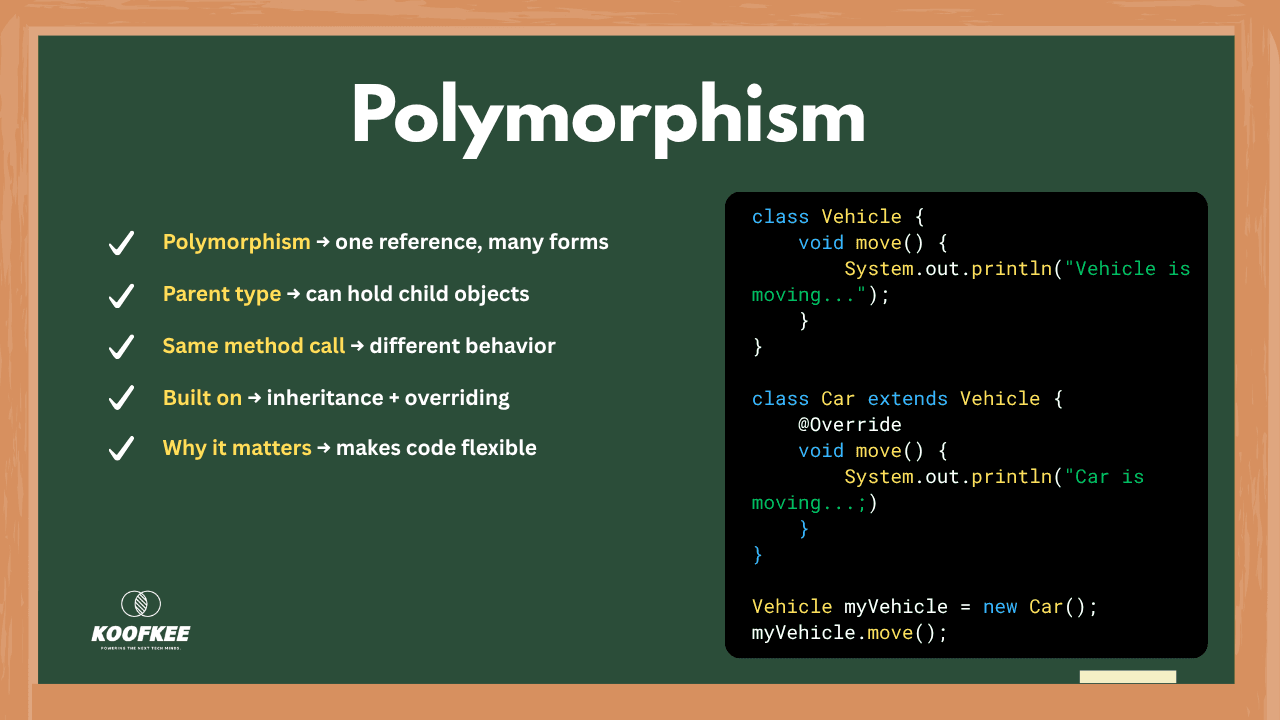
A simple introduction to polymorphism in Java, showing how one parent reference can represent different child objects and produce different behavior.
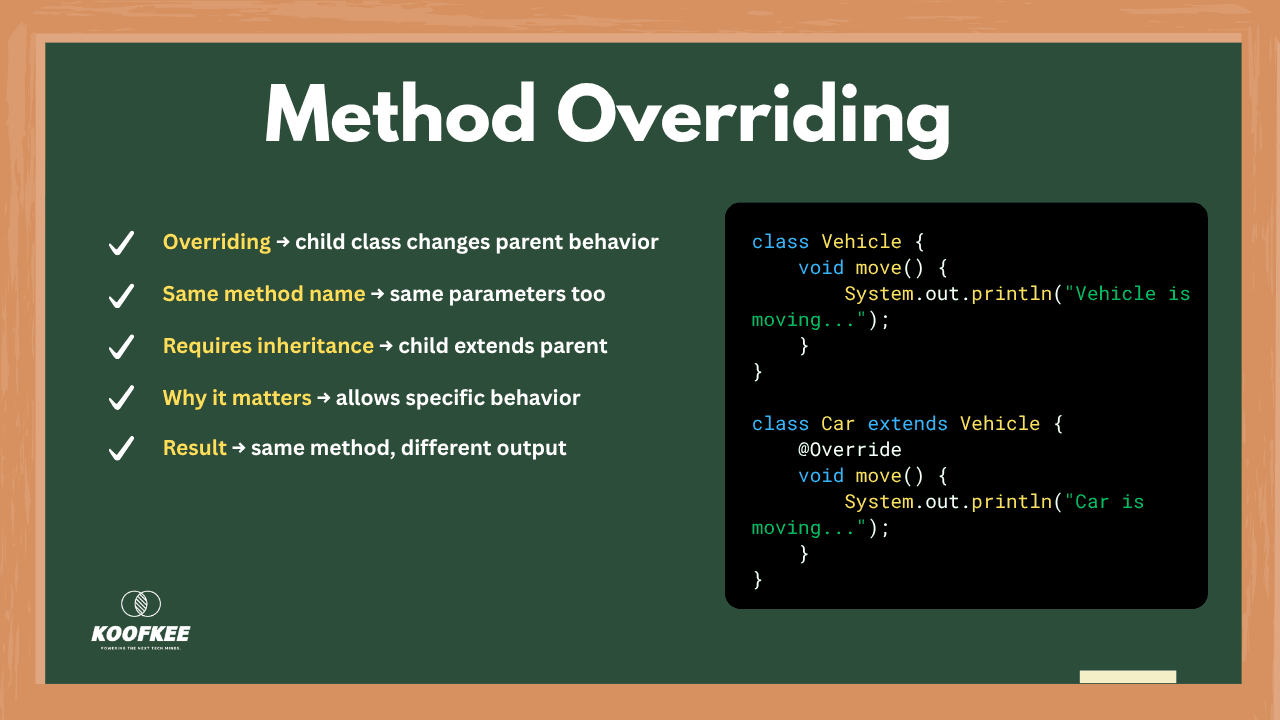
A simple introduction to method overriding in Java, showing how a child class can redefine behavior inherited from a parent class.
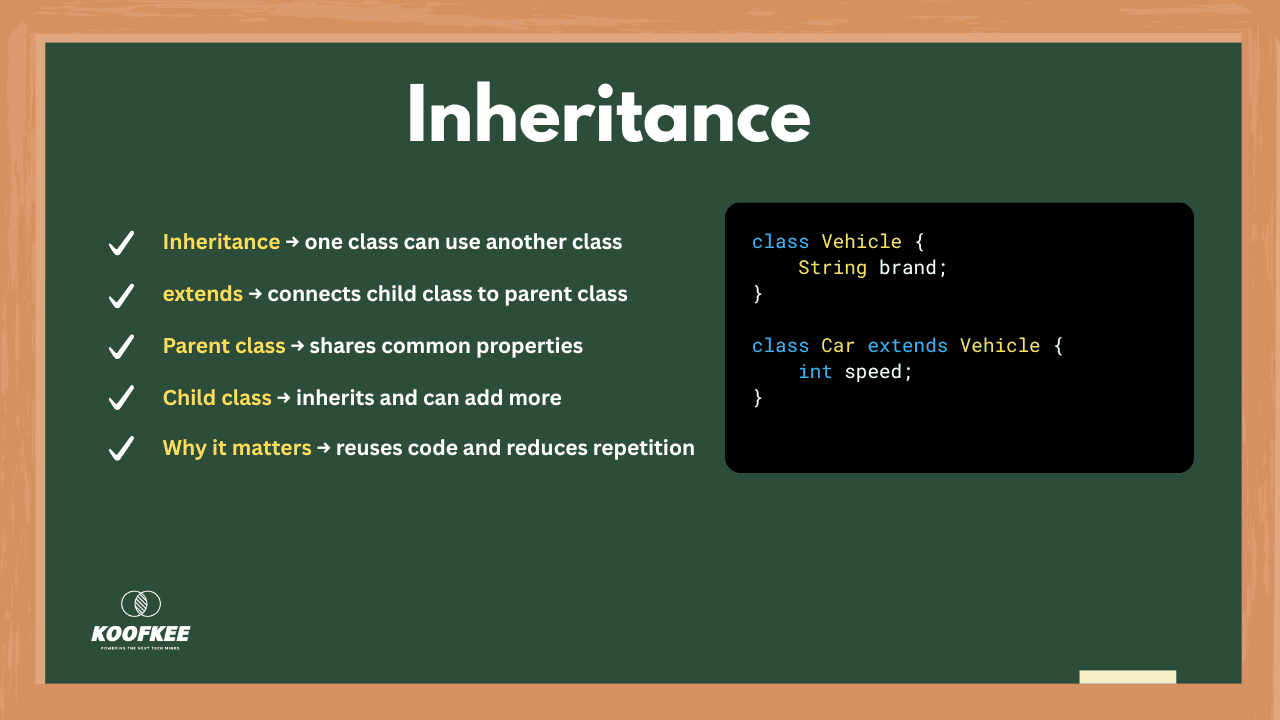
A simple introduction to inheritance in Java, showing how one class can reuse properties from another using extends.
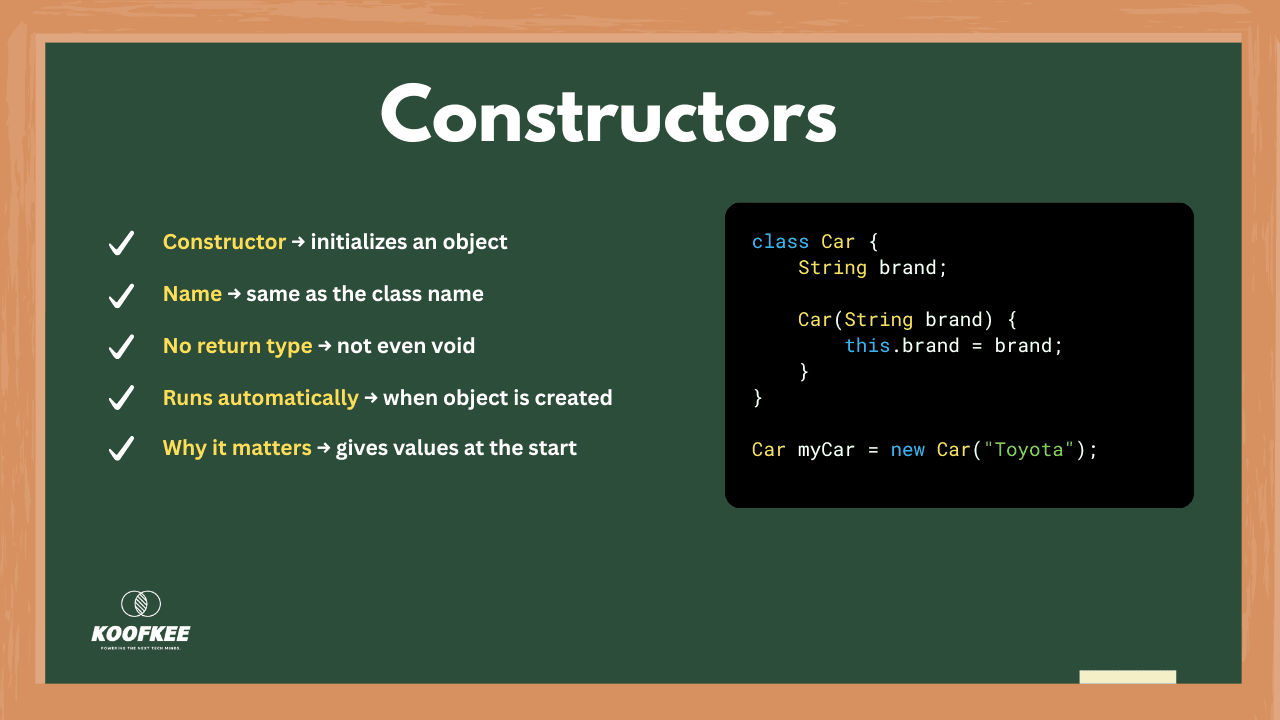
A simple introduction to constructors in Java, showing how objects receive their initial values when they are created.
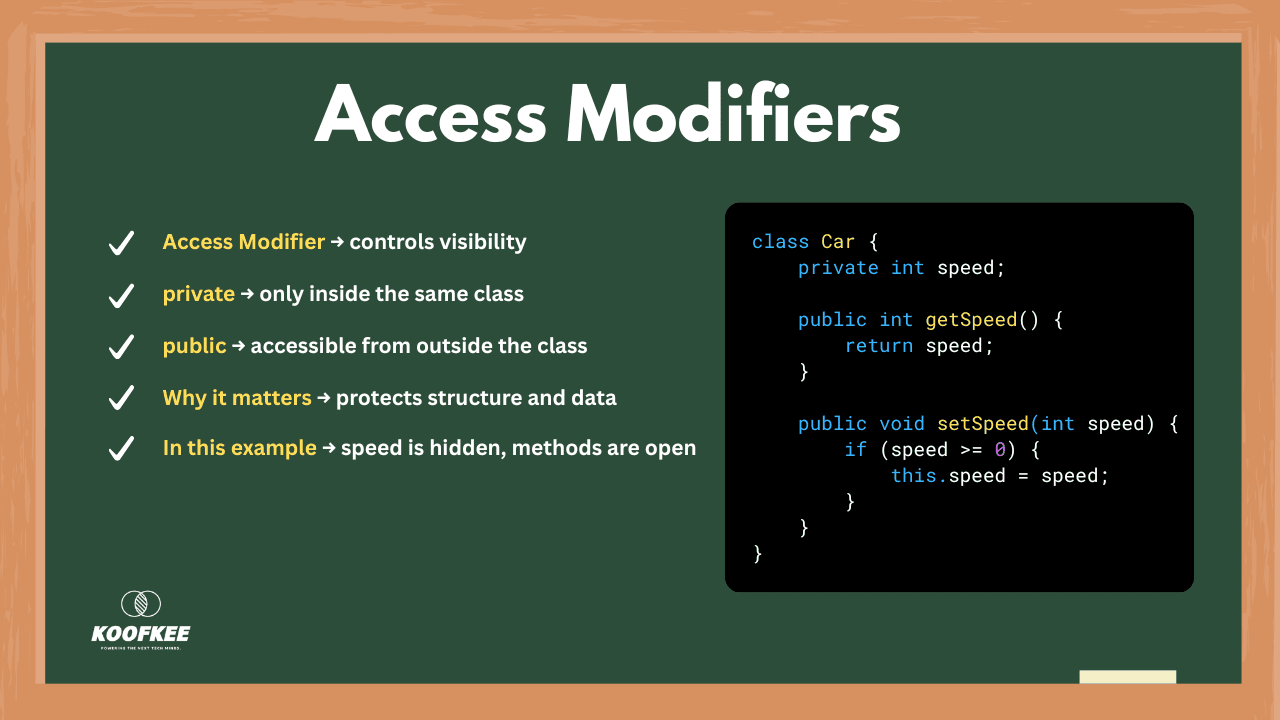
A simple explanation of access modifiers in Java, showing how private and public control visibility and help protect the structure of a class.
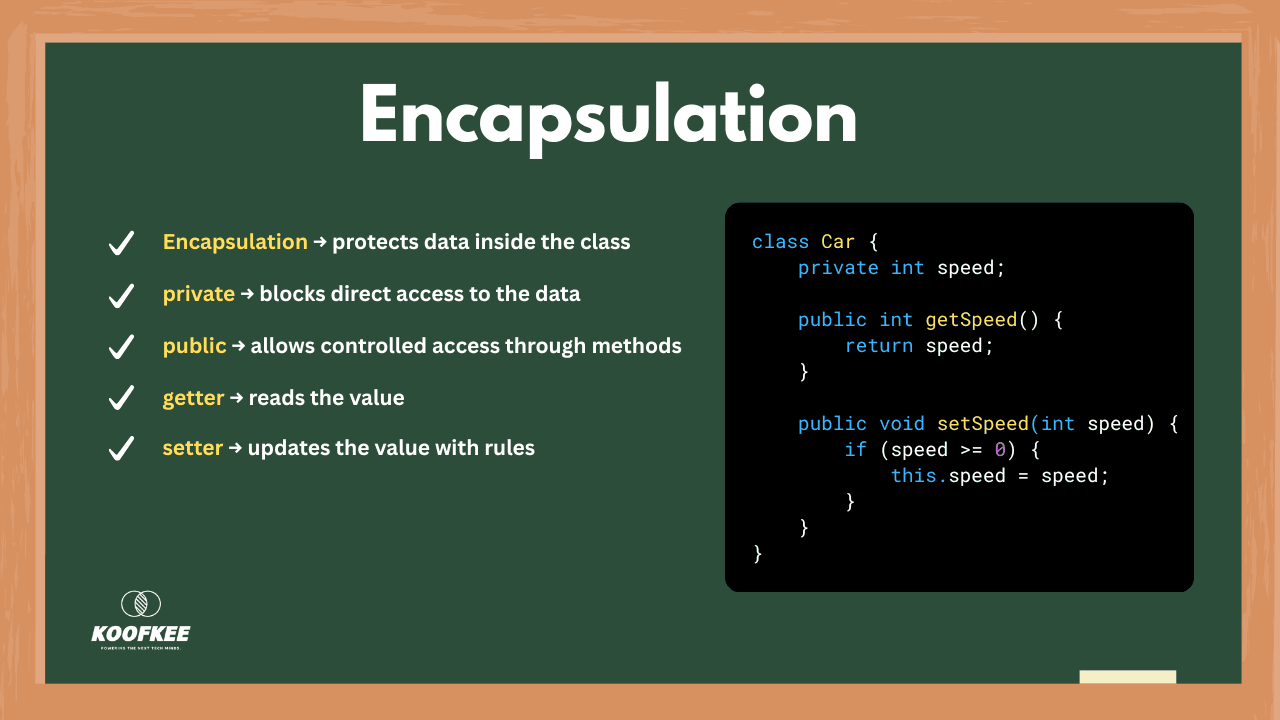
A simple introduction to encapsulation in Java, showing why private and public matter and how getters and setters help protect data inside a class.
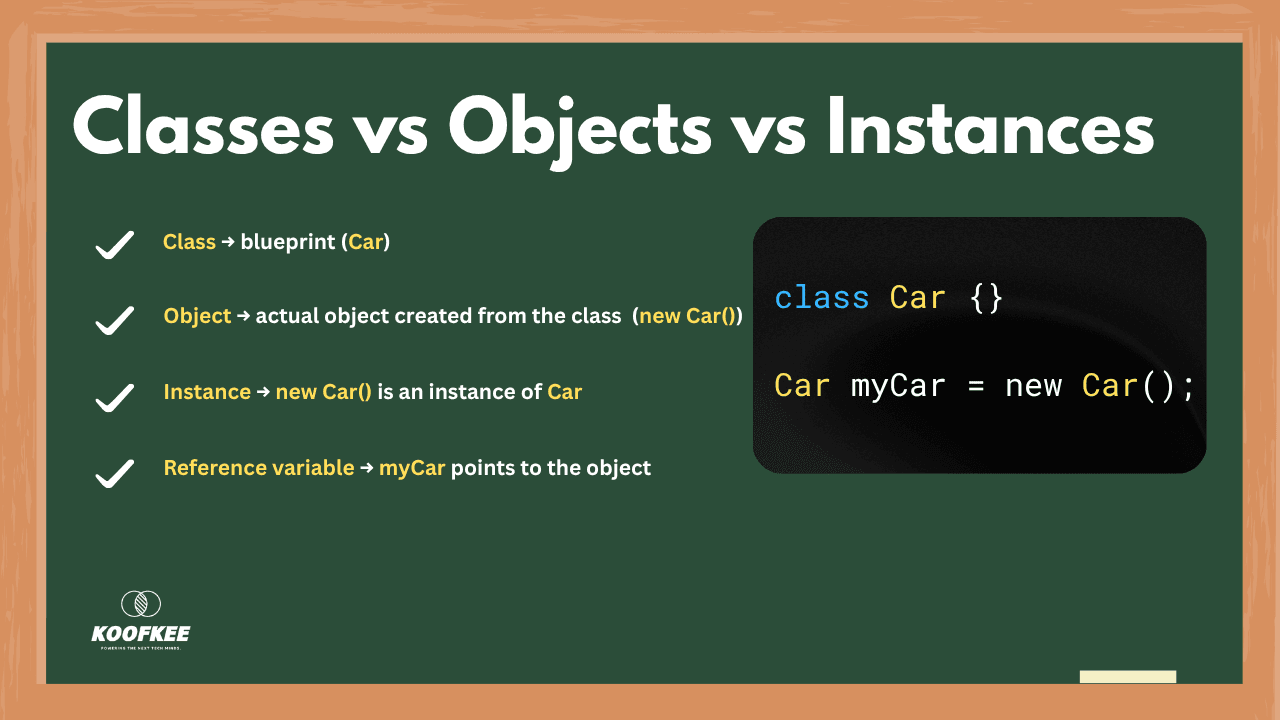
A simple introduction to one of the most important starting points in Object-Oriented Programming: understanding the difference between classes, objects, and instances in Java.
A simple 10-day series to break down Object-Oriented Programming in Java using clear explanations and practical examples.
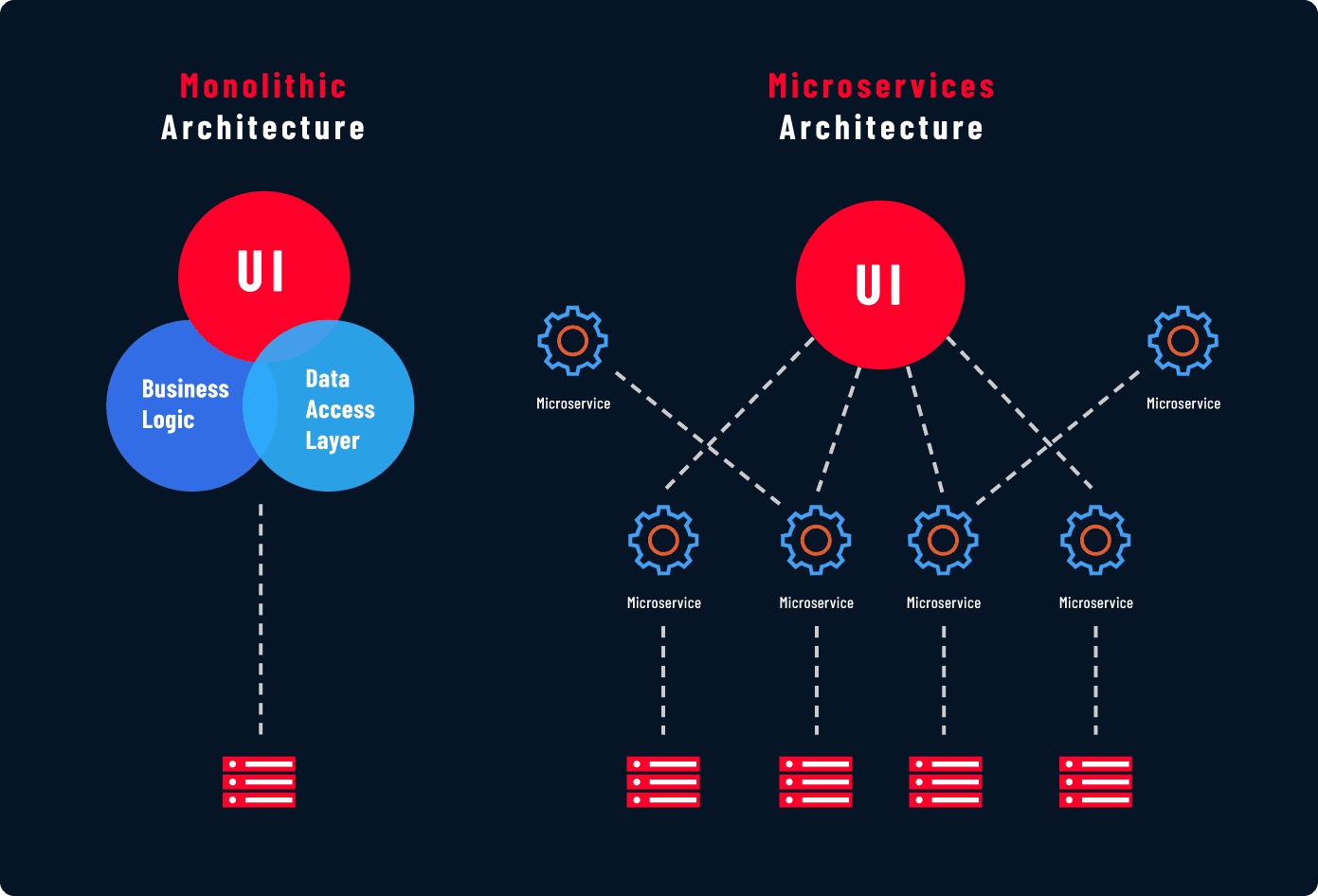
Microservices and monolithic architecture are two common ways to structure modern applications. Understanding their trade-offs helps developers make better system design decisions.
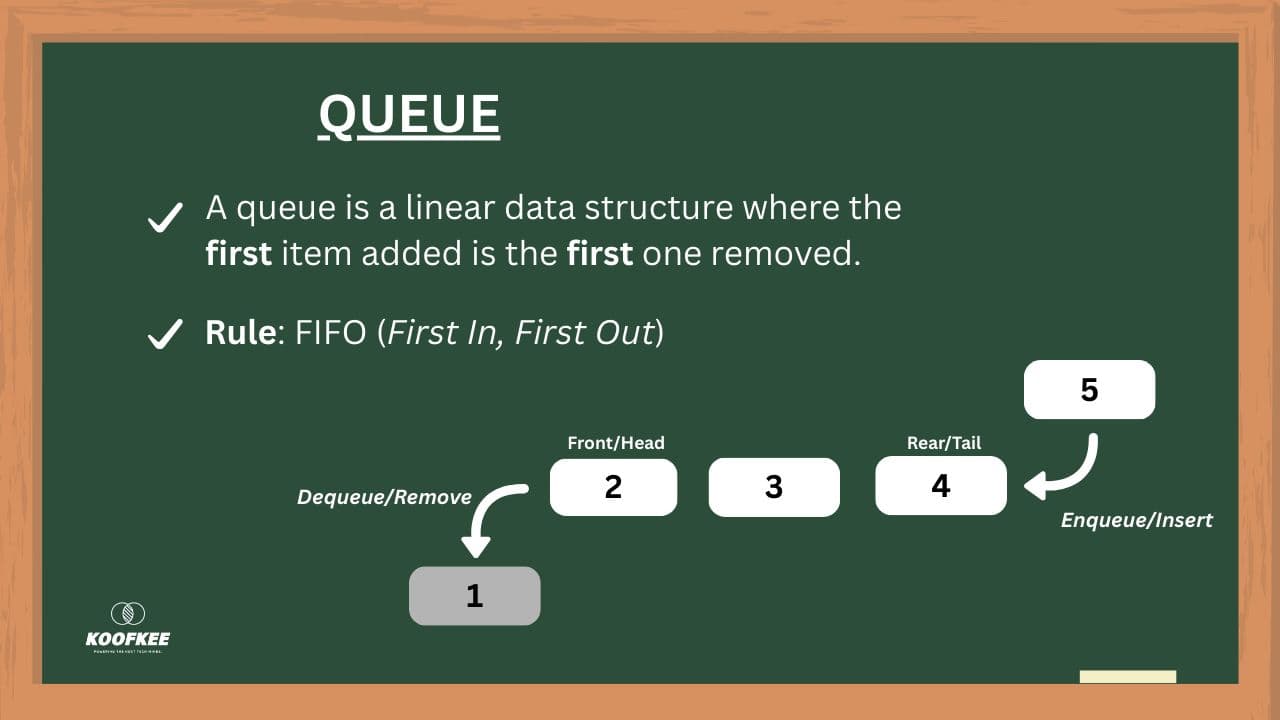
A queue is a linear data structure that follows the First In, First Out principle, where elements are added at the rear and removed from the front.
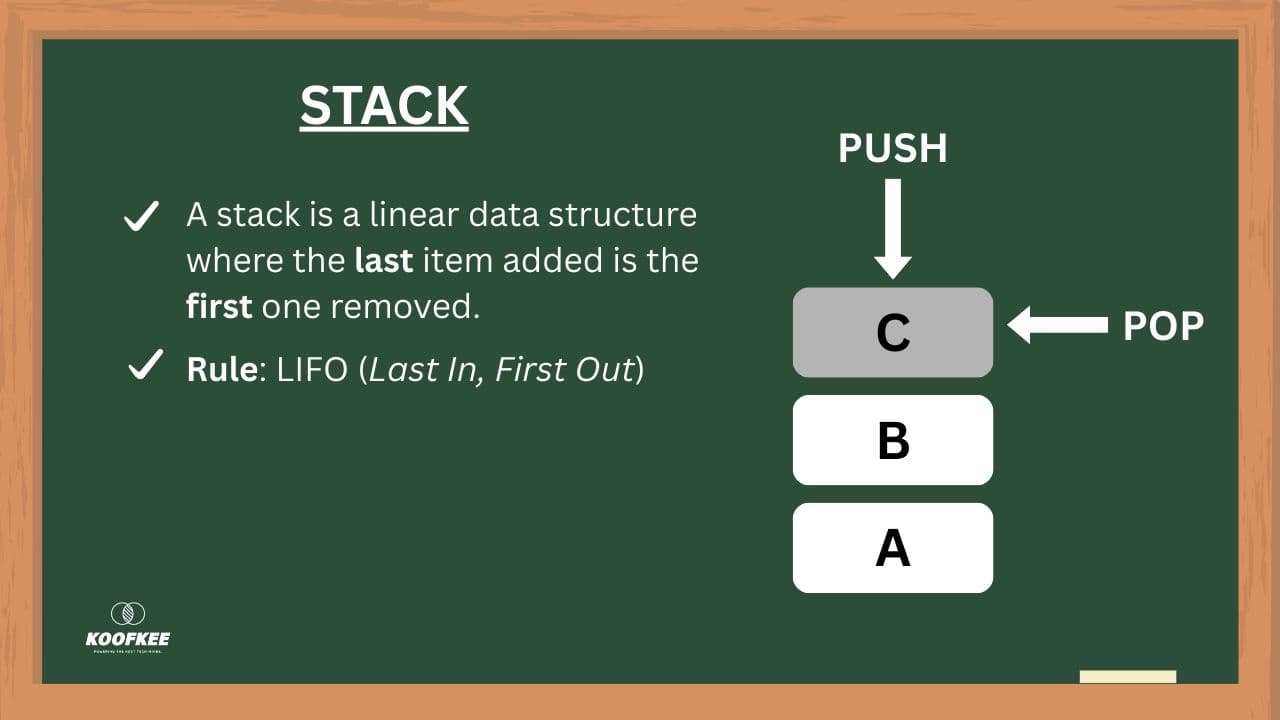
A stack is a linear data structure that follows the Last In, First Out principle, where elements are added and removed from the top.

Koofkee means “mine and yours”. A platform where I share what I’m learning in software, data, and technology while building real projects and growing along the way.